













Discover your MSP’s true strengths and blind spots, and see what it’ll take to scale with higher margins, on-time projects, and a team that works in sync.




DISCOVERY PROJECT
Unlock the hidden capacity in your team
We'll go through your raw PSA data, dashboards, and reports, interview your team, then present findings, recommendations, and a roadmap to find and leverage the hidden capacity already in your shop.
Why?
The tool is 10% of success. Methodology is the other 90%.
The tool
- Software
- Boards and dashboards
- Reports
Daily practices
- Daily huddle
- Pull-based workflow
- WIP limits
- Single-tasking
Workflow design
- Workflow stages and swim lanes
- Triage and dispatch design
- Capacity planning
- Unified projects and service view
Roles and accountability
- Dispatcher liberated from scheduling
- PM and service manager roles
- Leadership cadence
- Team accountability rhythm
Mindset and culture
- Lean mindset
- Continuous improvement
- Flow over rigid perfection
- Simplify as a default value
You might recognize this
Two views of the same business
PMs see the operation. Owners see the numbers. Same business, different angles. Discovery puts both views in one document so the conversation that fixes things can finally happen.
If you're the project manager
You're guessing on what's in flight and what's coming.
Day to day, you keep the team on track. Every question that matters takes 20 minutes of digging in the PSA.
- You can't see at a glance what's stuck, or how long it's been stuck.
- "When can we start this?" from sales, and your answer is a guess.
- "When will this finish?" from leadership, and that's a guess too.
- Engineers single-tasking on paper, context-switching in reality.
- Projects that should take two weeks routinely take four, and you can't always say why.
You're desperate for a view of what your team is actually doing. Discovery delivers it: the report that proves it, the methodology that makes the view permanent.
If you're the owner, partner, or COO
Gross margin should be higher than it is.
You can see the number every month. What you can't see is what's eating it.
- Hiring conversations every time throughput dips, even though your headcount should be enough.
- Gross margin lower than it should be for the team you're carrying.
- Project margin better some quarters than others, with no pattern you can name.
- Utilization numbers that don't line up with what your team says they're feeling.
- Willing to invest in tools, but burned before by ones that didn't move the number.
You want to scale margin, not headcount. Discovery shows you where margin is actually going, using your own PSA data, before you commit to any bigger investment.
Here's the part most MSPs miss
The PM has the operational visibility. The owner has the margin authority.
Neither one alone moves the number. The PM can't unilaterally fix margin. The owner can't unilaterally fix workflow. The change happens when both of you are reading the same diagnostic, agreeing on what changes next.
Discovery is built for that. The readout and the roadmap are made for the conversation between you, not for either one alone.
Deliverables
Discovery ends with a written diagnostic your leadership team can act on. Five concrete artifacts, in plain language, backed by your own data.
Operational baseline
Concrete numbers your team can track from now on. Average project duration vs. estimate, billable hours per engineer per week, WIP per person, project handoff times. Replaces "we're getting better" with a number you can hold up.
Financial picture
Project margin by type, leak points, underbilled work, and what your team is doing right now versus what's actually getting invoiced. Tied to your real PSA data.
Methodology gaps
Where your current process diverges from what works. Single-tasking discipline, pull-based flow, role clarity, daily huddle rhythm. Named specifically, with examples from your own projects.
12-month operational roadmap
Quick wins in the first 2 weeks, sequenced fixes for 30/60/90 days, structural changes over 3 to 6 months. Built so your team can execute, with owners and rough timing.
Implementation considerations
What to brace for. Change-management friction, the engineers who'll push back, the PSA configurations that will need rework. Honest about the work, not just the outcome.
HOW IT WORKS
A 30-day project
Wim runs the analysis himself, top to bottom. Not handed off to a junior or an analyst on his team.
Phase 1: inputs, data, and artifacts
- You complete two short assessments: Operational Maturity (about 10 minutes) and Agile MSP Daily Habits.
- Wim gets read-only API access to your PSA and digs into the raw data: projects, tickets, time entry, billable hours, margins.
- Wim reviews how the PSA is configured: statuses, ticket types, time-entry rules, project templates.
- Wim reviews the reports and dashboards your team actually uses, and the materials you send to clients.
Phase 2: analysis and custom interviews
- Wim designs interview questions specifically for your operation, based on what your data and assessments reveal.
- Wim runs structured conversations with your PM, service manager, and leadership (30 to 45 minutes each).
- Wim sits in on a real project meeting.
Phase 3: findings presentation, then the written report
- Wim presents findings live to your leadership: what he found, the recommendations, and what to prioritize.
- You receive the written diagnostic with a one-page executive summary.
- Detailed analysis with the actual data and PSA screenshots.
- A 12-month operational roadmap with concrete next steps for the first 30, 60, and 90 days.
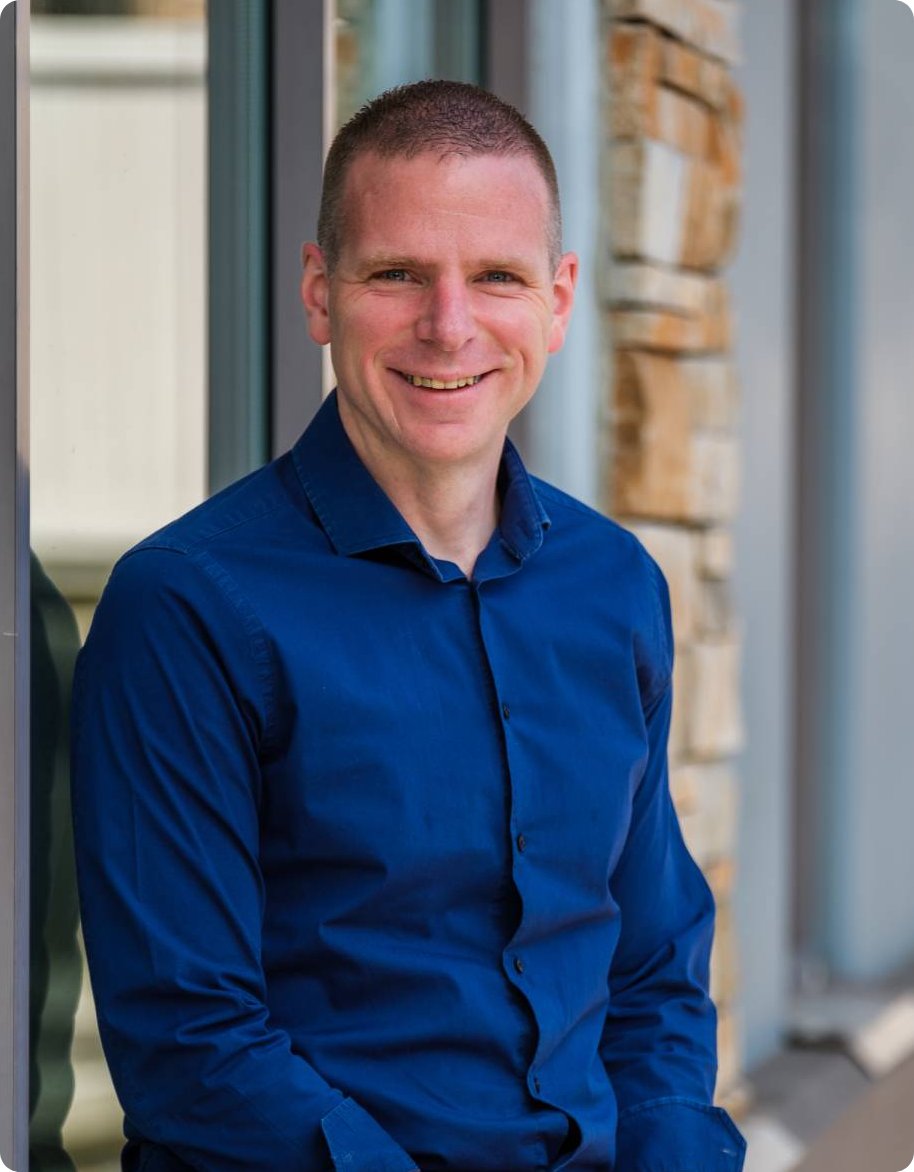
Nineteen years operating MSPs since 2007. Wim still owns ImprovingIT and Crafty Penguins. The mechanics of project delivery, billable hours, margin, PSA configuration: it's not theoretical. It's what he's running every week in his own shops.
TopLeft exists because Wim needed it for those shops first. The diagnostic you're paying for is the same lens he applies to his own operations. You're not getting an outside consultant who read three books. You're getting an operator turning his own methodology on your shop for 30 days.
Wim Kerkhoff
Founder, TopLeft
WHAT'S POSSIBLE
Examples of what other MSPs have achieved
Other TopLeft clients have acted on our recommendations and achieved real results. By putting in the work with your team and Wim's guidance, you can do the same or better.
Reduced multi-tasking
58%
Improvement in project efficiency, completing more projects with the same team.
Steve at TEBA
Implemented pull-based workflow
2x
Project throughput, two months after switching from a critical-chain PM methodology to TopLeft.
Craig at Machado
Implemented pull-based workflow
2x
Revenue with the same team.
Te'neyl at Morgan Birge
The Investment
- Pricing based on 15 to 20 hours of my time, fixed-price.
- 50% upfront, 50% on completion.
- If your PSA data turns out to be unworkable, we'll discuss before continuing.
Have the conversation
Thirty minutes with Wim. Operator to operator. No demo. A conversation about whether the Discovery Project is the right next step for your shop.